
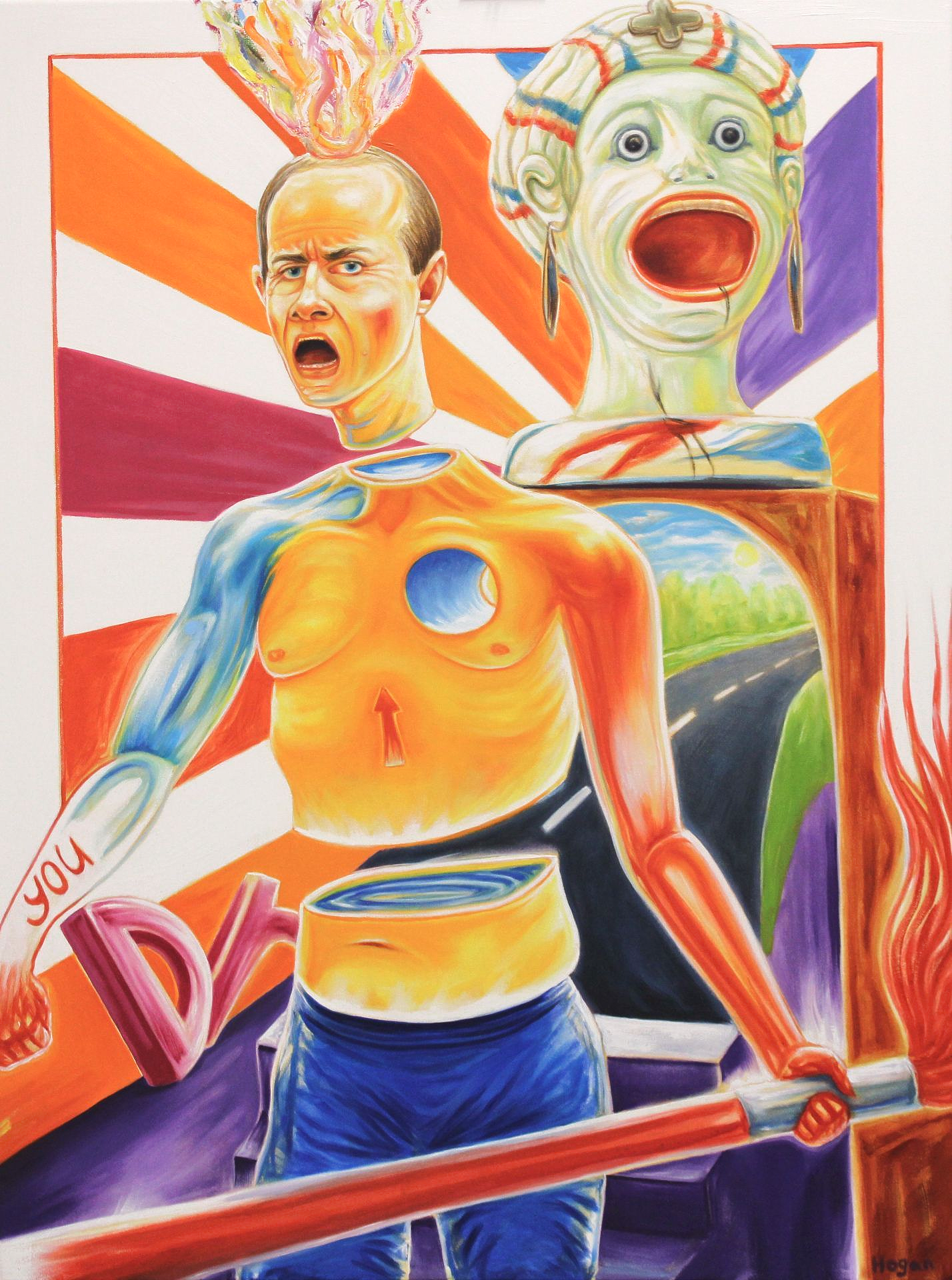
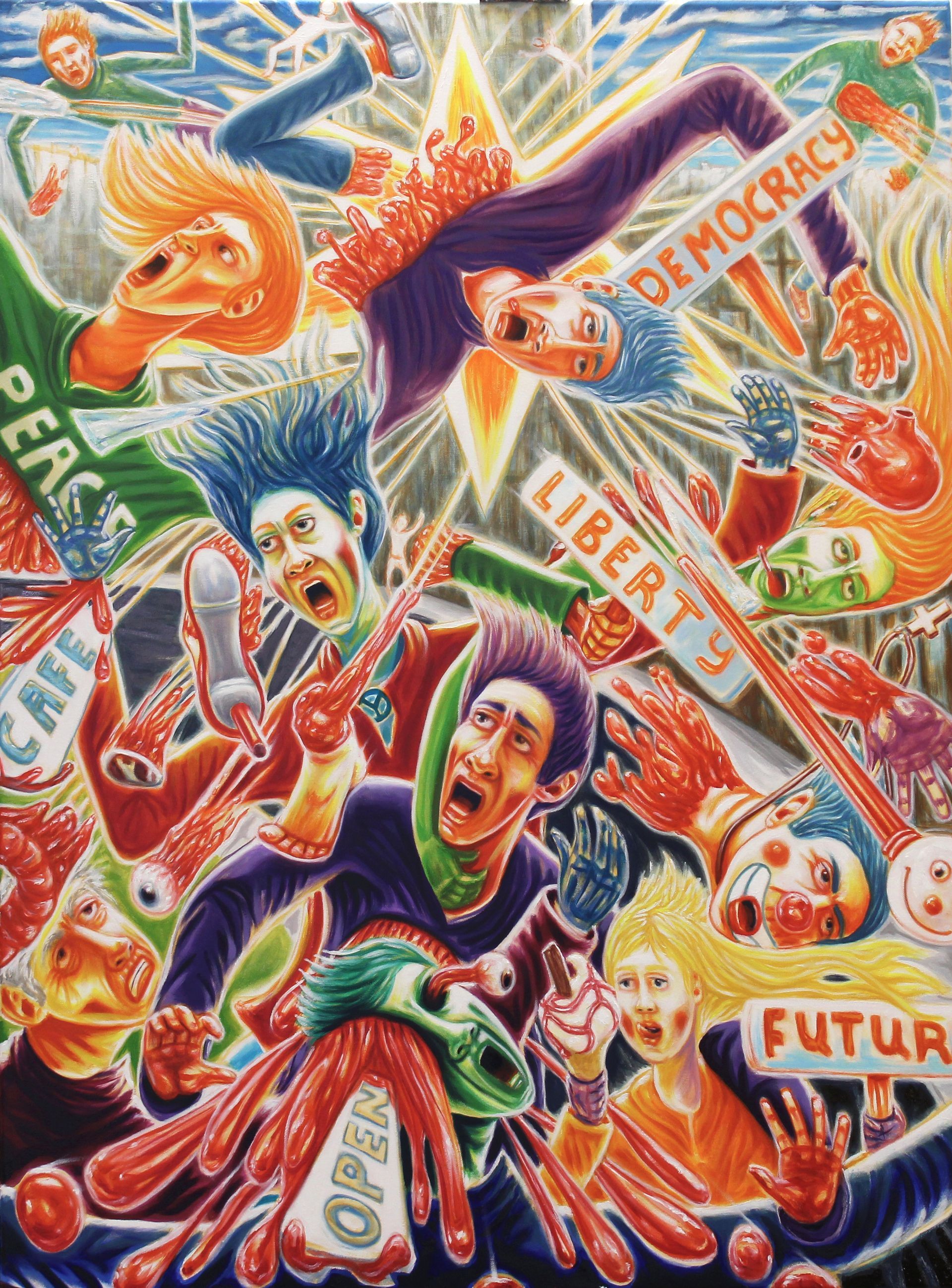
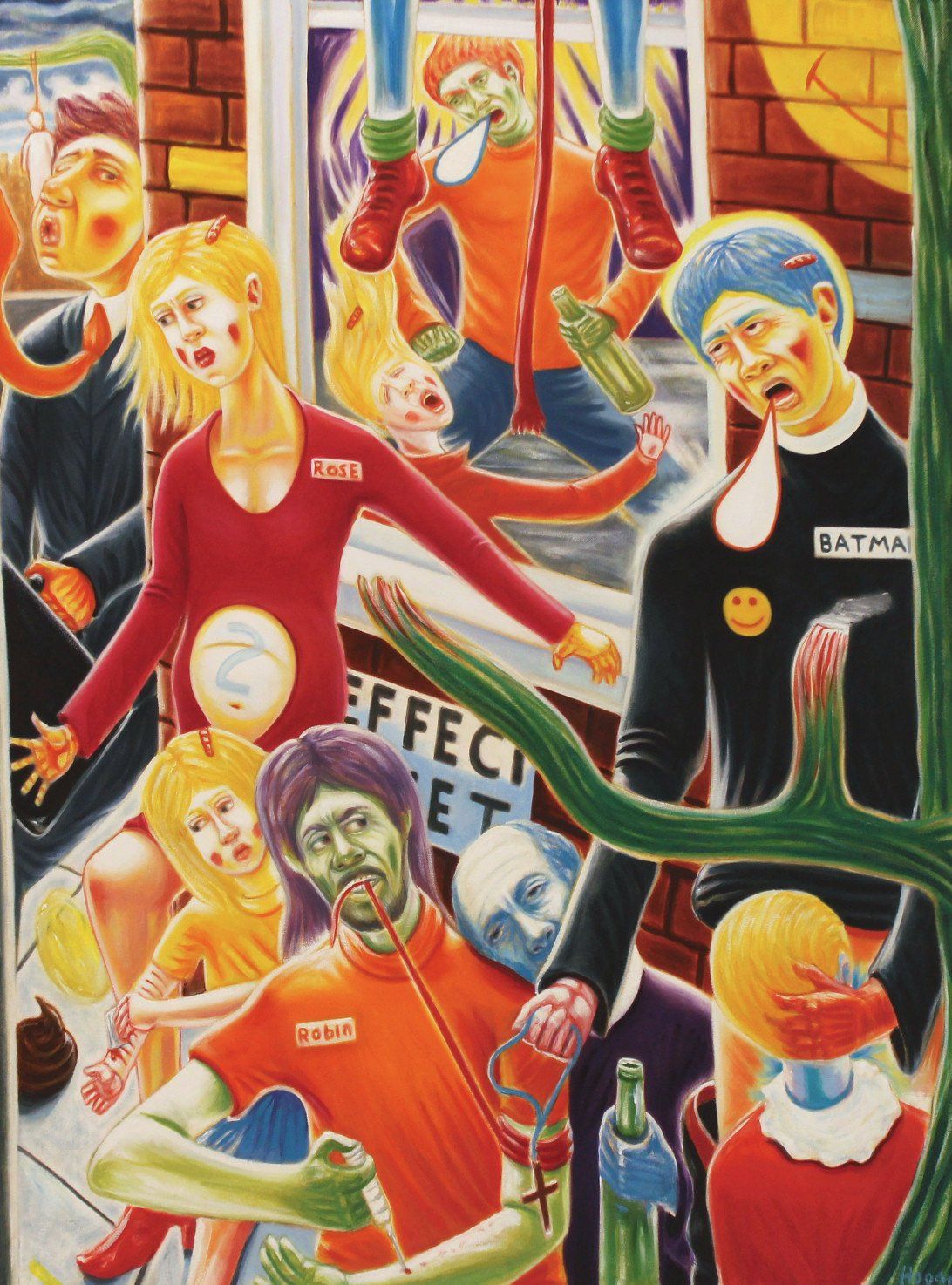
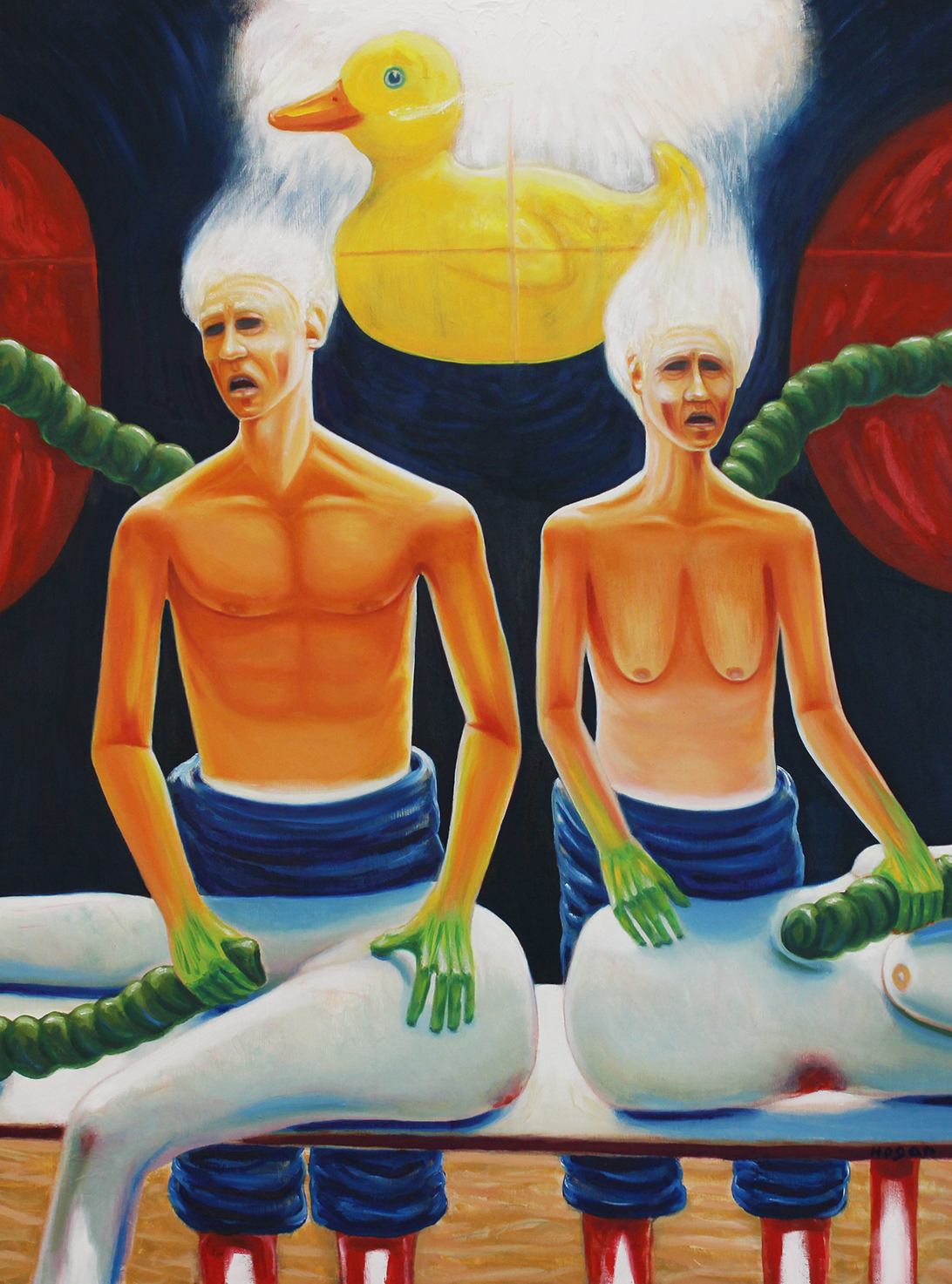
I am now in my early 50’s. I have arrived at this juncture in my life via an accumulation of a particular set of circumstances, that have led me personally and professionally to, as I see it, a satirical catalyst. I believe it is necessary to place my reasoning for satire as a vehicle for practice and research within a contextual framework. Beginning with my personal history. I began life as the son of a working-class family. The eventual divorce, and subsequent breakdown of the family unit, led to verbal and physical abuse from a stepfather left on his own with myself after the divorce. I consequently made poor progress at school, and due to the enormous stress at home, I left the family home at 15. I was homeless for 2 years. I eventually found a bedsit to live in, Over the next few years, I was variously unemployed and employed in many manual low paid jobs, from working in factories to building sites to retail. I met a young lady who came from a middle-class family. I was encouraged to progress in life. I managed to gain a place at university BA (Hons) on the strength of my drawing ability. Three years later. I found myself unemployed again. I travelled to London with my A2 portfolio, I remained in London for three days and eventually found an agent. I began work for the agency in the 18 months that followed I successfully completed many professional illustrations to brief for a national and international client base. My success wasn’t looked on favourably by my future in-laws, and so I was encouraged to retrain. I attended nurse training. After 4 years training. I began work as a nurse firstly for the priory hospital 2 years, then onto the NHS. where I was employed as a nurse, within a high secure hospital for the criminally insane for four years. Eventually, the stress of the work and a breakdown in my marriage (together for 18 years, married for 4 years to the initial young lady I had met at the beginning. (We had a year-old baby girl) precipitated my nervous breakdown. I subsequently lost everything, my house, wife, etc. and limited access to my growing daughter.
Satire is the only word that adequately describes my current practice. Social inquiry and commentary are implicit to my practice. As an artist /painter, I feel that it is within my remit, and indeed, my duty, to document the world to which I belong. I found that Painting in the fine art sense was fraught with disclaiming ideologies, particularly around the narrative aspects of image-making. I don’t have any limitations as far as my imagination is concerned. I can easily visualise any subject in my mind's eye I can see a whole image in its entirety.
During my BA my knowledge broadened, and I understood how and why the media are powerful and influential in informing and socialising a consumerist society. Through my nurse training, I also understood social anthropology, sociology and psychology, encompassing the envirobiopsychosocialspiritual aspects of each individual. The knowledge attained through my nurse training also gave definition to all the questions I had always asked, I understood that we are all socialised and normalised, through our young lives and into adulthood. I understood society's inequalities, I saw the wider picture. This knowledge was expounded upon when I entered life as a qualified mental health nurse. Within the priory hospital I was responsible for conducting anxiety management groups for example. I nursed many professional people such as teachers and Business CEO’s police and fire service personnel, actors and celebrities. In short, I understood that people are vulnerable, from all walks of life, and I also found this to my own personal cost. During my time as a nurse for the NHS, I nursed both inpatients and within the community. I saw first-hand the social inequalities, the disenfranchised, the lost and the broken. I observed social deprivation, both alcohol and illicit drug abuse, child abuse, homelessness, suicide, homicide, and every other conceivable human deprivation. I read hundreds of patient histories and realised the depth of the inadequacy, inequality and social injustice of the normalised society in which we all live. I have always had faith in humanity, believing in a general precedence for good, however, I also understand that humans are fallible, we all possess a darker side, that occasionally, consciously or unconsciously, will out. I also understand that people are mostly a product of their unique experience, and genetics, of course, the whole nature/nurture debate remains unquantified. In reality, man's inhumanity to man, quantified by history, and sustained today, is a reflection of the state of mankind.
Satire has a long history at the forefront of social and political commentary in western society
https://www.oxfordartonline.com/page/british-visual-satire-18th-20th-centuries
The Language of satire is fed to the masses through the mass media to varying degrees, on an almost daily basis, whether through the newspaper press, and programming through television and radio. Bad news is seemingly everywhere, this is the milieu to which satire exists. And what of the reasoning for a possible cynical viewpoint, that may illicit satirical discourse? The daily news brings us awful atrocities. World politics, and inequalities, war, famine, poverty, disenfranchised communities, infighting, abuse and neglect. Here in the UK, we are bombarded with our own social, political, inequalities, and injustices along with racism, rape, and homicide. Social hypocrisies are rife, the porn industry exists, just as tobacco, alcohol and some minor drugs, because of the financial, political and societal gain through taxation. The internet has changed the landscape of knowledge, conversely, it has expounded the landscape of satire by opening up the accessibility of human illicit practices to a broader public domain. For example, every conceivable kind of Pornographic deviance is easily found on the internet, inclusive of paedophilia, and beastiality. With a few clicks someone can purchase weapons, illegal drugs, and bomb-making equipment, when you are in possession of your bomb-making materials, you can then watch a video detailing the way to make the bomb work effectively, and further still, you can find a collective fascist group that will assist you in your radicalisation. Even the internet itself is a cloak and mirrors affair, The seemingly safe, security conscious Google etc. are easily replaced with an external unregulated legal browser such as the TOR browser where even more extensive human debauchery can be accessed.
Main stream television has seemingly broadened the scope and breadth of alignment with public desensitisation ? By offering ever greater graphically illicit programming. The proliferation of TV programming with a pornographic bias, for example, with high levels of nudity, sexual intercourse, and sexual freedoms within occupations and personal gratifications.
Contemporary Fine art has also been responsible for the synthesization of broader acceptance paradigms, for example, Jeff Koons series Made in Heaven series (1989) Was castigated by some as pure pornography, for many, the porn industry represents an archaic and outmoded view of women. It continues to promote an ideology of objectification and submission which is considered anti-progressive. There is concern that by normalising sex and subjugating the actors, porn and pornographic art may go as far as to encourage sexual violence. Koons stipulated however that, ‘I’m not interested in pornography, I’m interested in the spiritual, to be able to show people that they can have impact, to achieve their desires.’ (Koons 1990)
The purpose of the proposed research therefore, is in three parts: To understand the context by which potentially disturbing images may lead to adverse reactions, even when the image context has been offered in a humorous and realistically honest framework. With specific regard to the painting of satirical imagery. To investigate envirobiopsychosociospiritual factors that may influence satirical and personally challenging imagery processing, and comprehension. I am also interested in finding how and why the general desensitisation of contemporary moral and ethical paradigms may have been driven by the seemingly ever-expounding cultural decadence.
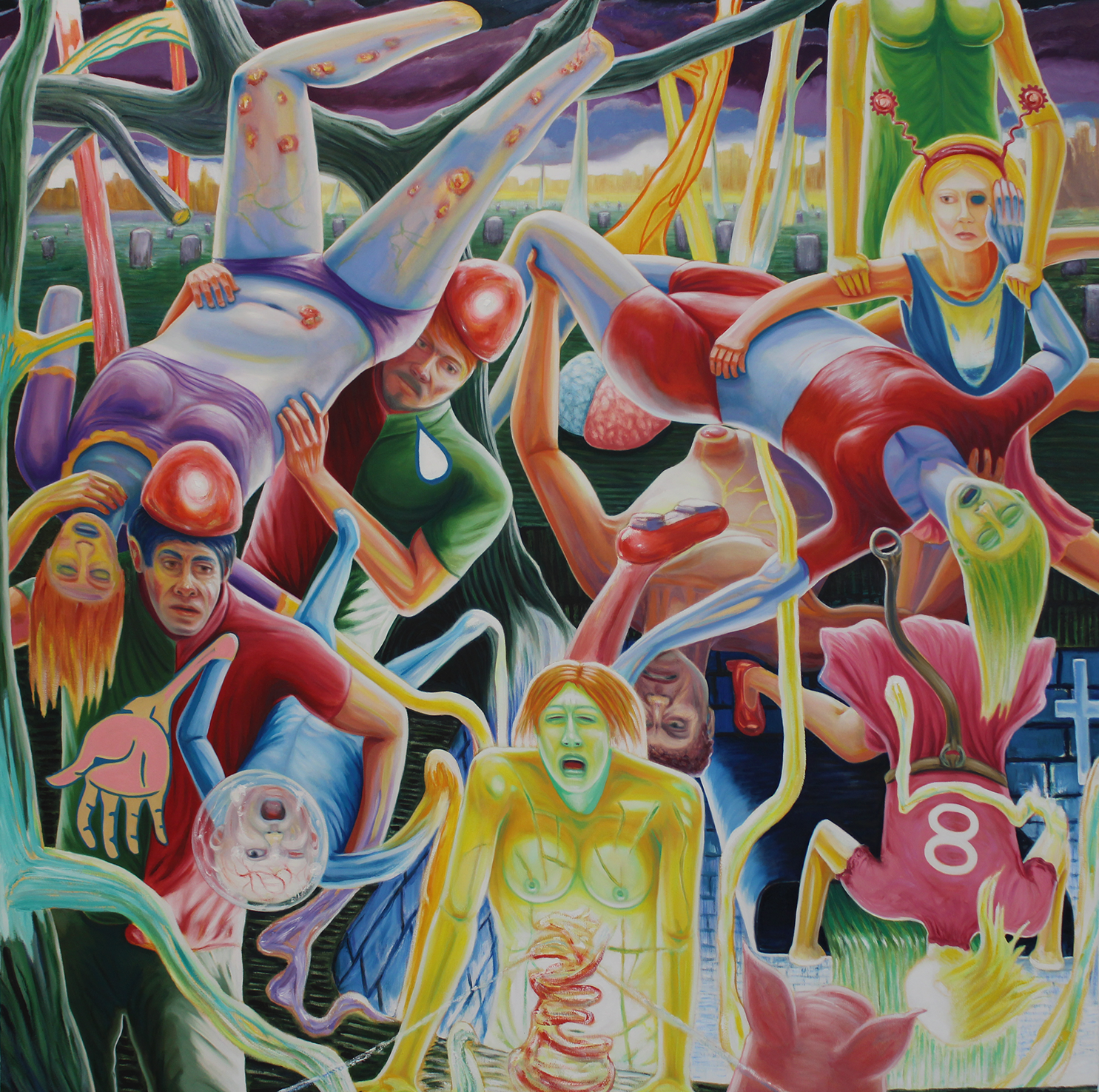
My research is not concerned with a wholly political view, of current cultural paradigms. Although, political overtones may be present. I am also unconcerned, with specific characterisation of political or public figures and celebrities. Any characterisation will be within, and limited to, the subtleties of the visually humorized aesthetic of the characters. The characters being the constituents of any given pictorial scenario, and related to the everyman. Rather, I wish to engage in a form of satirical social commentary, Satire specific to social commentary within painting is relatively unchartered. The narrative form of the work I am proposing is biased toward an overview of contemporary society, and realised through both my own creative imagination, and technique, and characterised by social, ethical and moral dilemmas pertinent to the everyman and everyday life, within modern society.
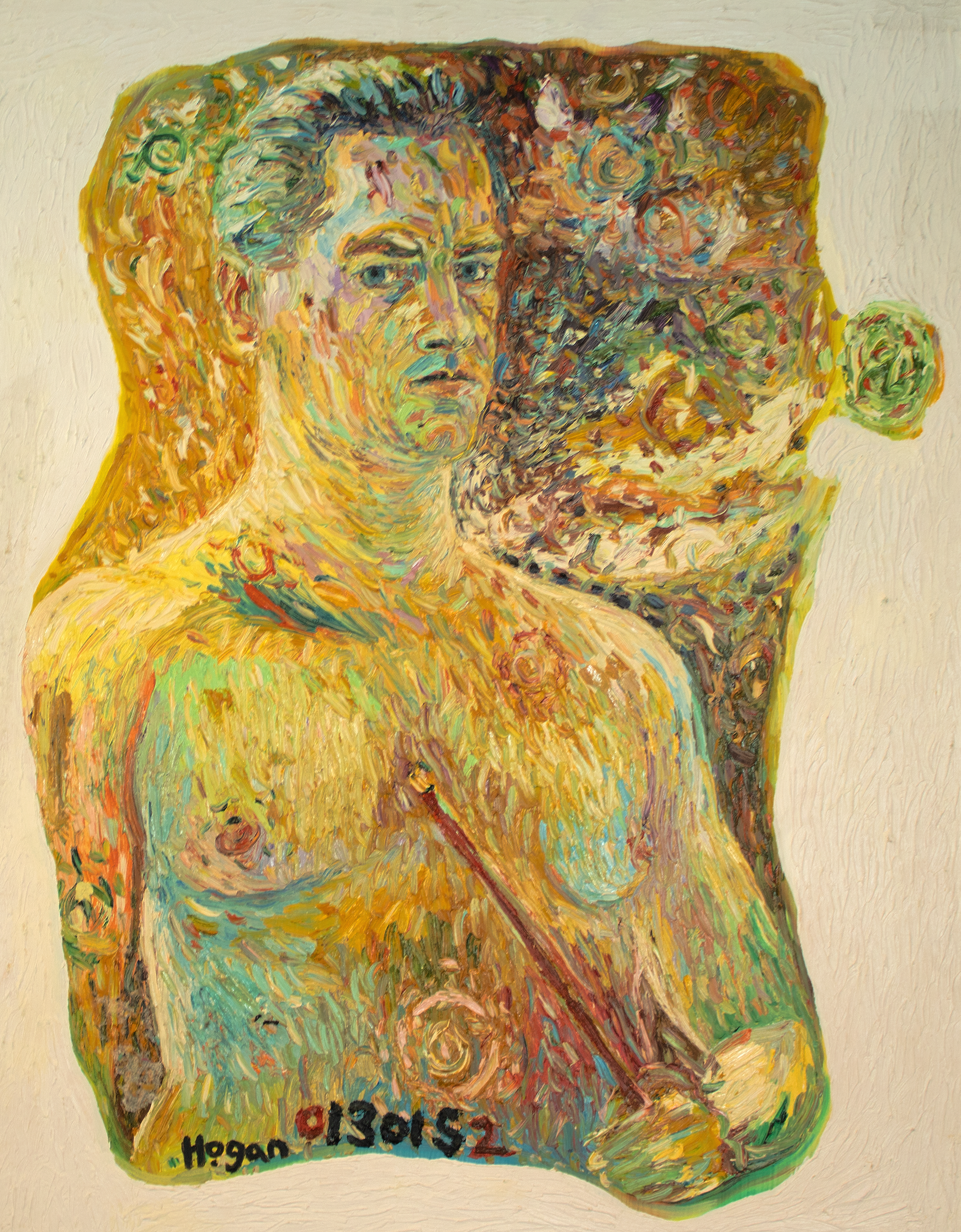
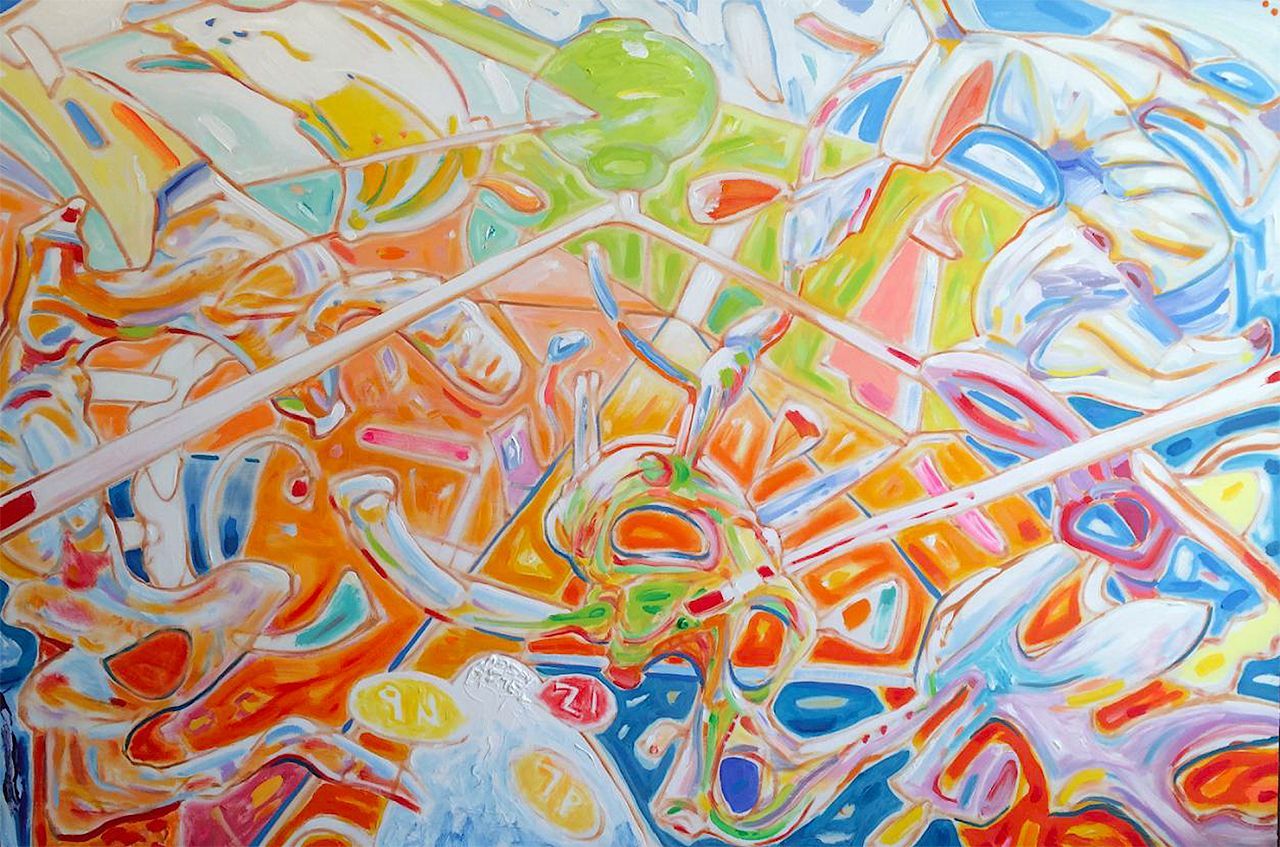
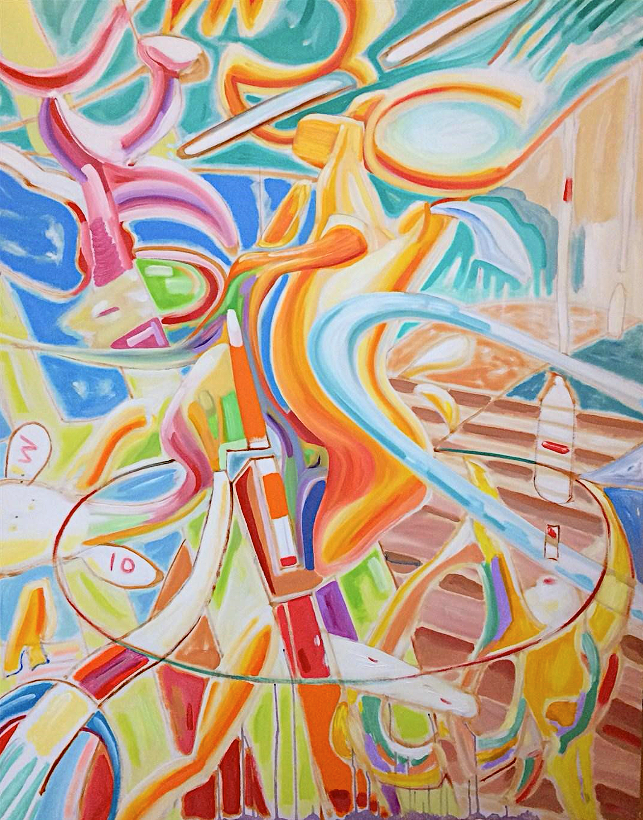
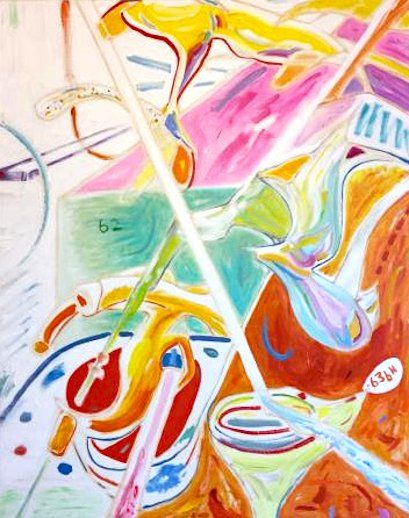
An understanding of how the research will relate to my practice, will generally be more understood when my work is viewed in context. My style relies on humorised coding, and effects My style sits between both, in a void of its own, it has my unique sense of vision. My style is not chosen. Or preferred, it is my natural way to work, a style that has been developed over a long period. It is based upon my own lived experience and an In-depth evidence-based knowledge platform therefore satire is a natural extension, personally and professionally.
My practice work will be synthesized within the constructs of my research by permeating through and amalgamating research with practice. The integration of a satirical body of work will aid in the production of an evidence base for these findings.