
When I was a young innocent boy drawing profusely at every opportunity I had no inclination of what my future prospects were as an artist, even then I knew art was deep within me, in my soul, in my heart (later I found it was also in my genetics). As I progressed through life I began to understand the way society subscribes to the artist construct. I understood that there was a deep seated negativity around art, it was greatly undervalued, and if you came from a working class environment as I did, art was completely discounted as a viable career option by everyone around me. I understood that to gain validation you really did need to be fortunate within your family wealth, with positive social standing, along with a family that encouraged you. I had neither of these things, and so from an early age I made a priority of finding a way to professionalise myself and my art. Professionalising your self and your art practice appears to be a self explanatory concept. However, it is worth analysing because a majority of artists discount the idea as not a worthy course of action. I have spent much time in my life acquiring an arts education only now do I consider myself a professional, this has been a strategic path for my career development. It has taken me a relatively long time but I now feel like I have now validated my practice through authoritative credentials.
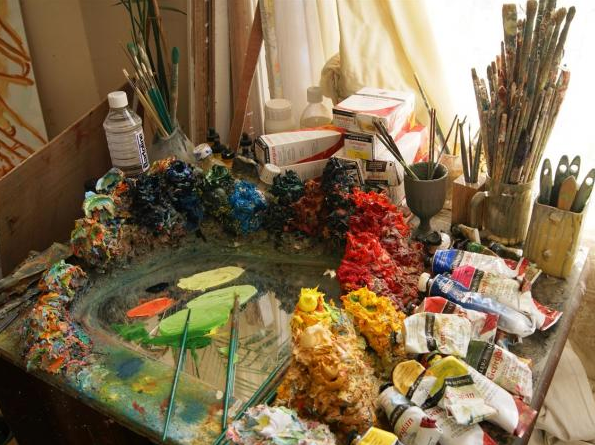
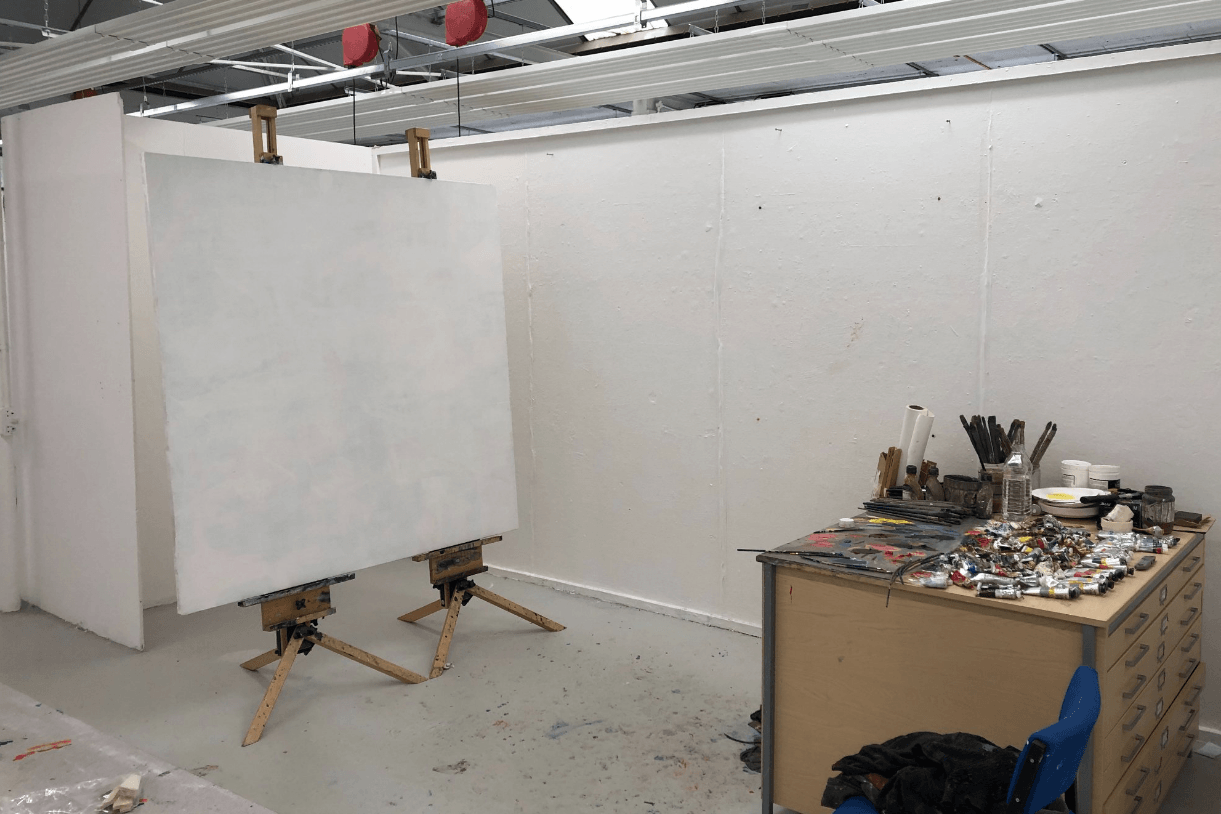
For many artists, the word "professional" feels completely at odds with creative freedom, conjuring up images of sterile workspaces and rigid schedules that contrast sharply with a messy studio and artistic freedom. However, professionalizing your art practice isn't about selling out your creative soul; it is simply about building a sustainable framework that allows your talent to thrive. One of the most fulfilling and financially stabilising ways to achieve this shift from a passionate practitioner to an authoritative creative entrepreneur is through the power of education and a teaching career. When you spend your days creating art, much of your process happens on pure intuition, choosing a colour or adjusting a texture simply because it feels right in the moment. Stepping into a teaching role forces you to strip away that mystery and articulate exactly why you do what you do. You have to break down your instinctual choices into repeatable steps and clear terminology for someone else to understand. This exercise in creative articulation forces you to master your own methodology, which ultimately refines your technical skills and gives you a much stronger, more articulate voice when talking about your work to galleries, curators, and collectors.
Beyond the studio walls, standing at the front of a classroom or hosting a workshop immediately builds public authority and changes how the market perceives you. In the art world, credibility is highly valuable, and being an educator acts as a powerful stamp of legitimacy. When collectors or gallery owners see that you teach your craft, your perceived value rises because you are no longer just an individual trying to sell a product, but a recognised master of a discipline.This professional authority naturally unlocks a more predictable, sustainable income stream that can put an end to the volatile cycle of the starving artist trope. Relying solely on art sales is stressful. Financial stability buys you the ultimate creative freedom, meaning you no longer have to rush your art or accept uninspiring commissions just to pay the bills. Instead, you can afford premium materials and studio rent, ultimately promoting sustainable practice.
A Level 7 PGCE will train me in advanced pedagogy and reflective practice, qualifying the sophisticated framework needed to break down instinctual artistic choices into repeatable steps and clear terminology. Teaching, especially through accredited university courses which are theoretically evidenced, provide a sustainable career opportunity. This transition is amplified tremendously when backed by academic rigor, allowing me to leverage my PhD and Level 7 PGCE into a highly respected, multi-faceted artist-educator career, building a curriculum, and the logistics of organising a classroom environment, designing lessons, and art promotion through effective and efficient knowledge procurement. The students in your classes are your ideal audience; they want to learn your knowledge and skills. By opening your doors and sharing your knowledge, you stop waiting around to be discovered by an establishment and instead build your own platform, transforming your practice into a respected, thriving professionally accredited career. I haven't yet secured professional employment in the arts, however, I believe that my PHD in tandem with a PGCE is the best opportunity, to me this upcoming PGCE is the last step towards my ideal job, finally fulfilling my childhood dream of becoming a professional artist and educator.