By John Hogan
•
October 20, 2026
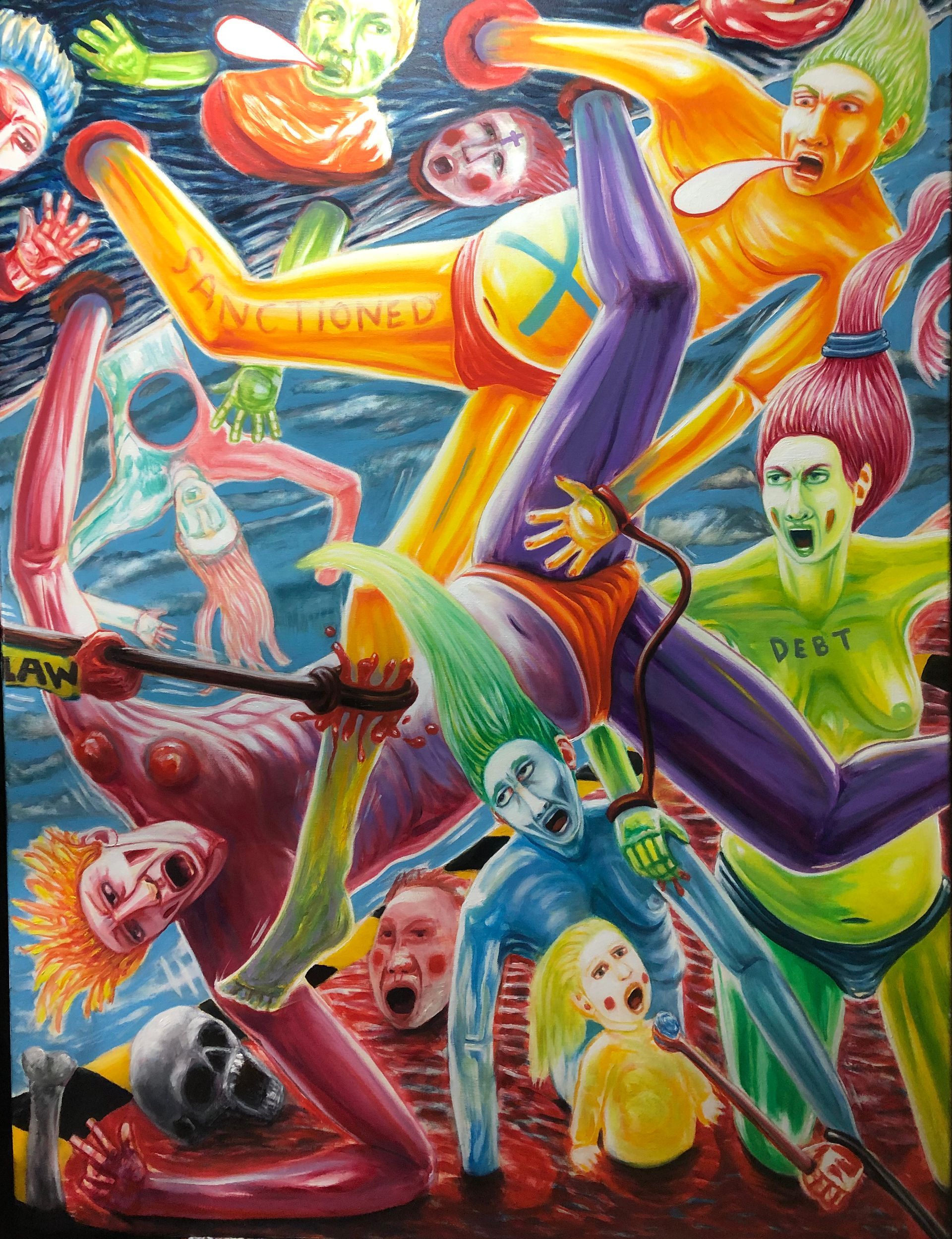
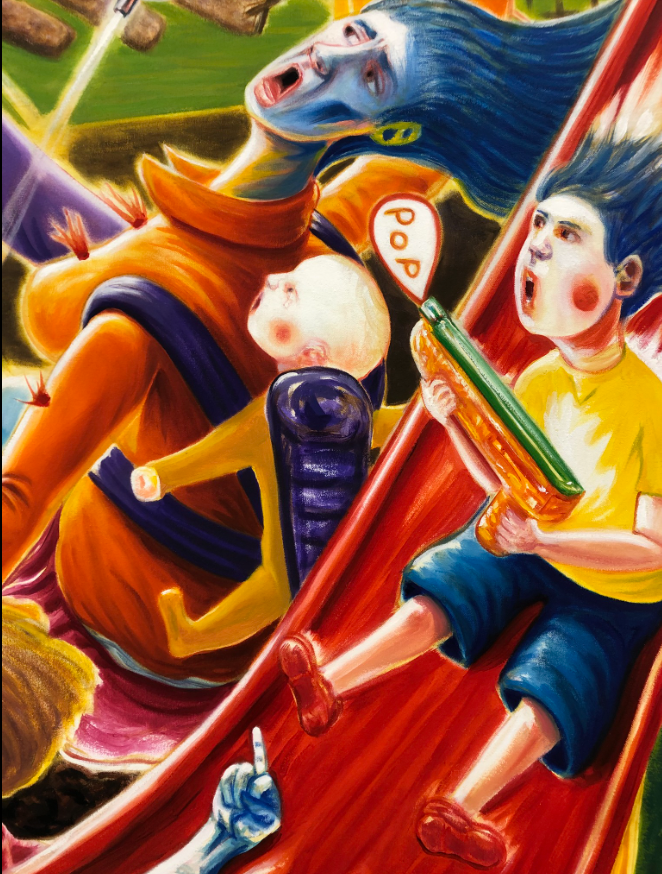
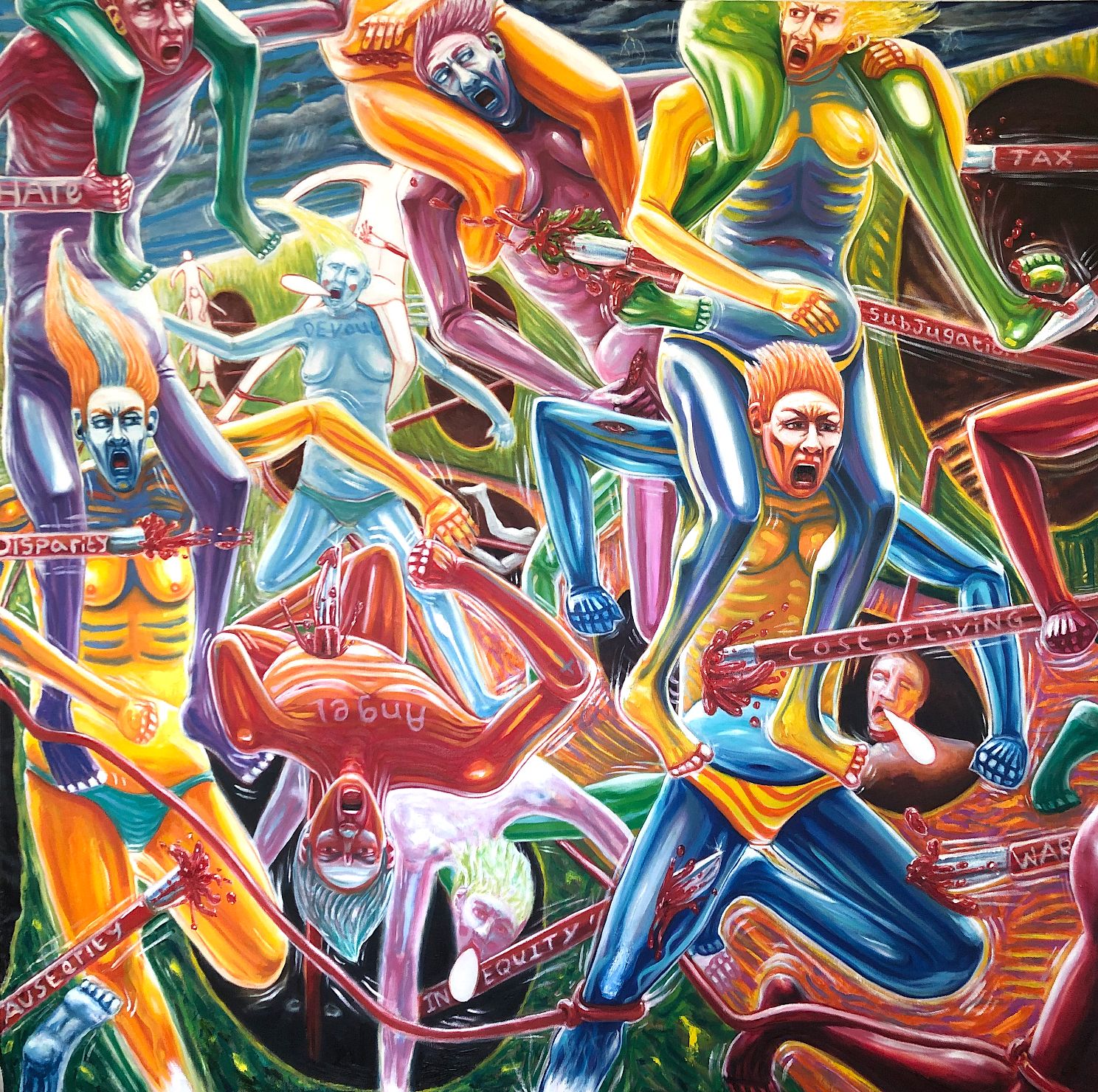
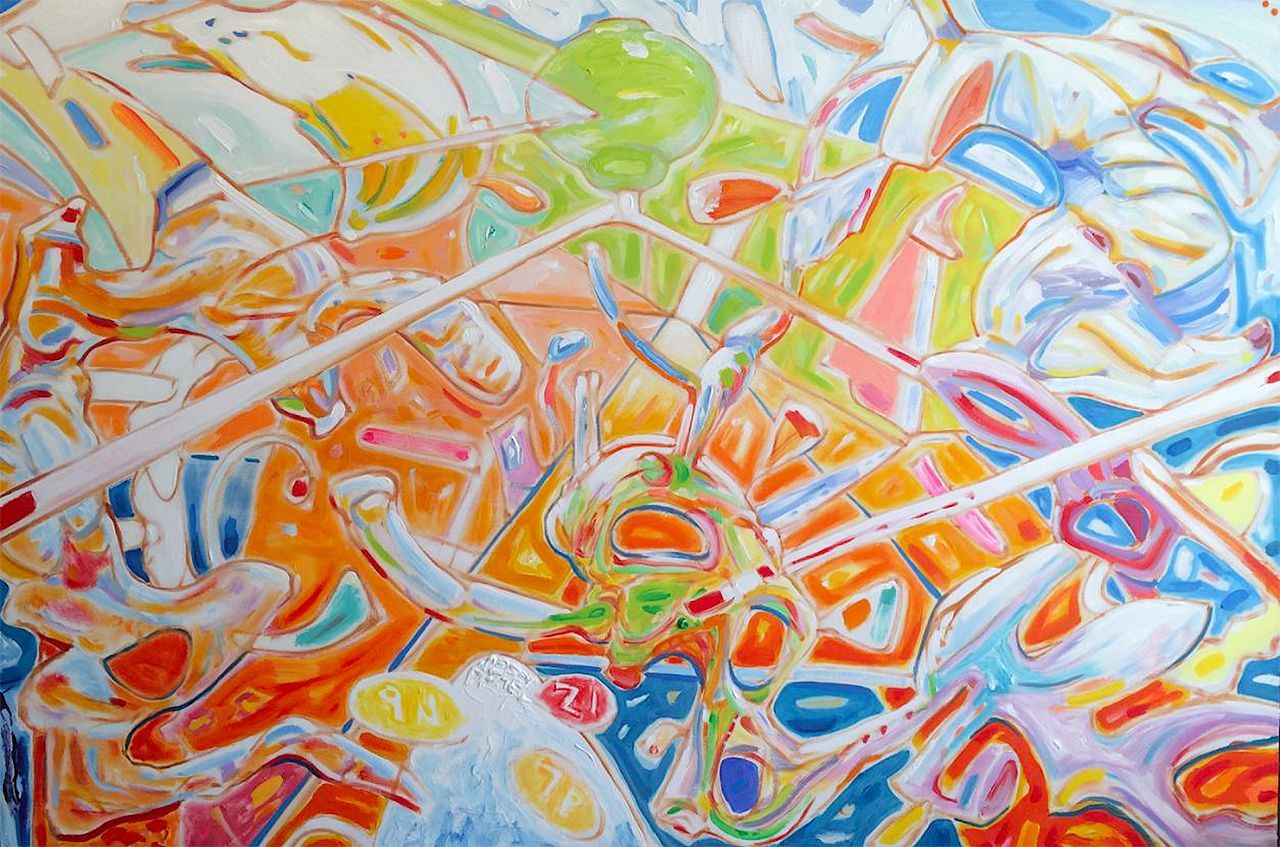
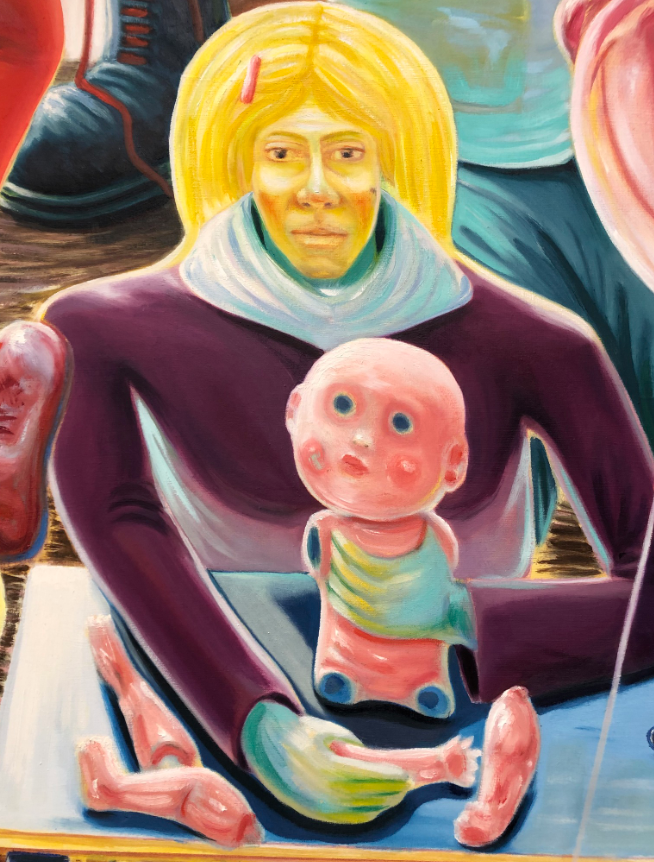
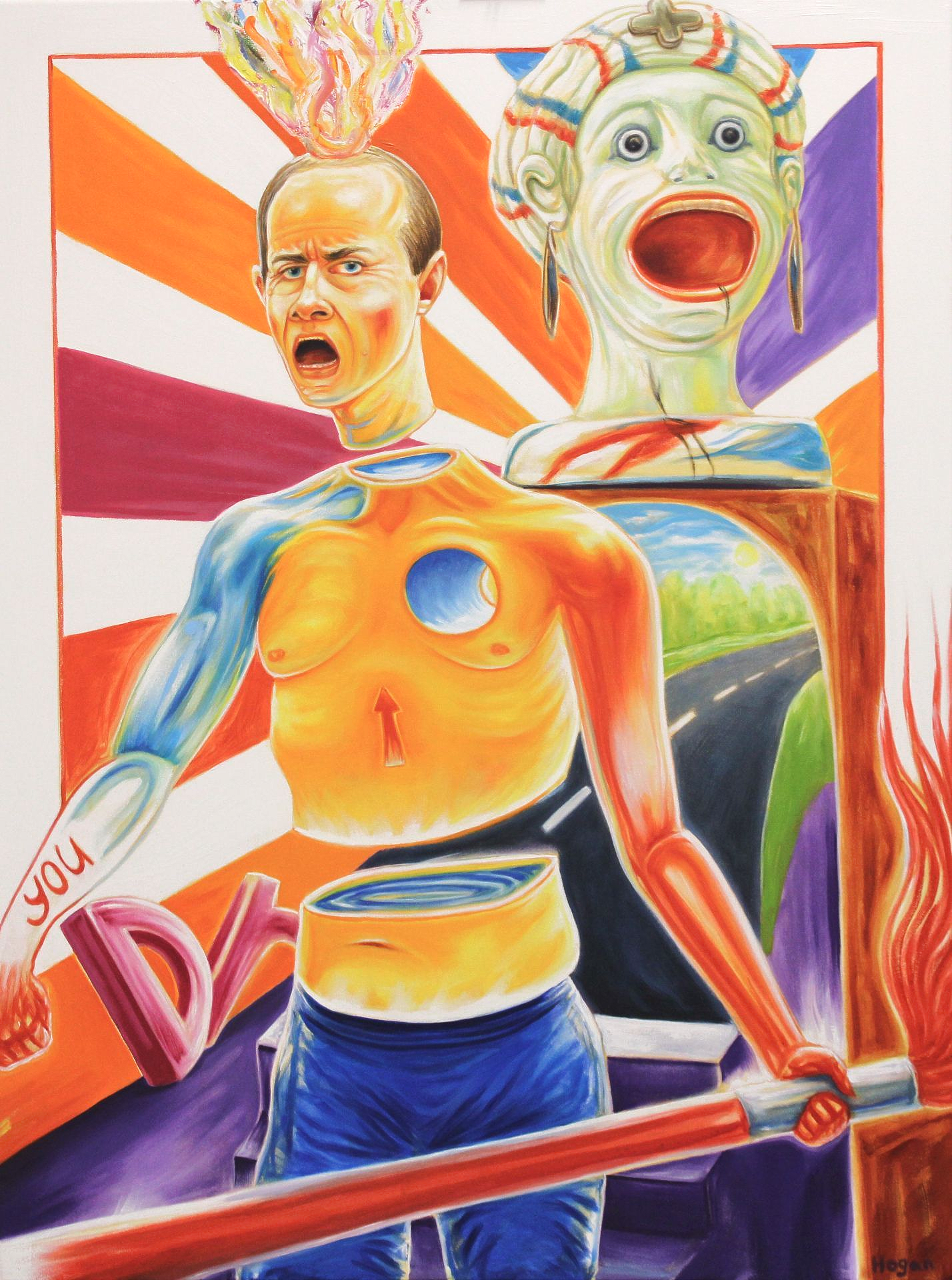
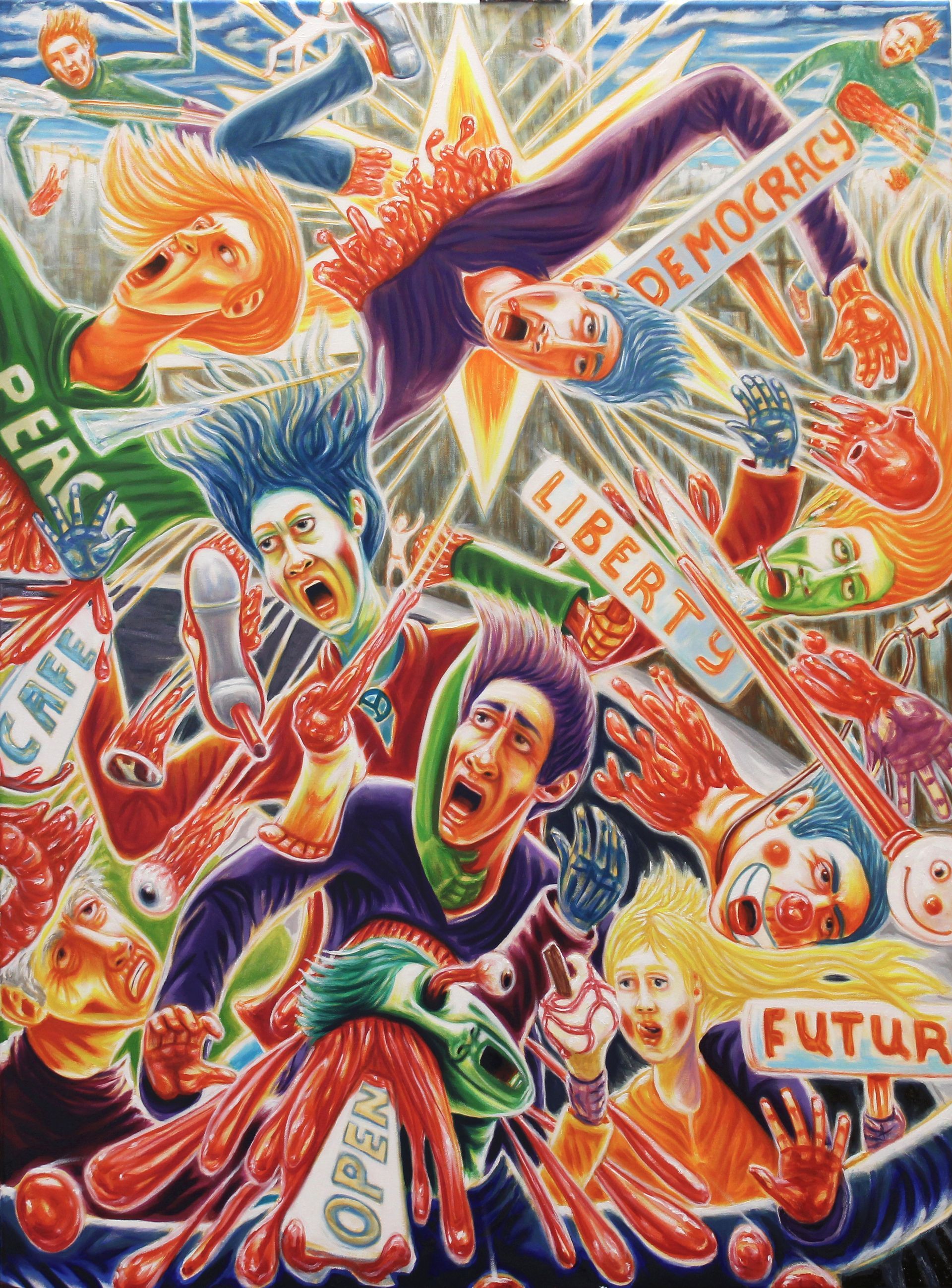
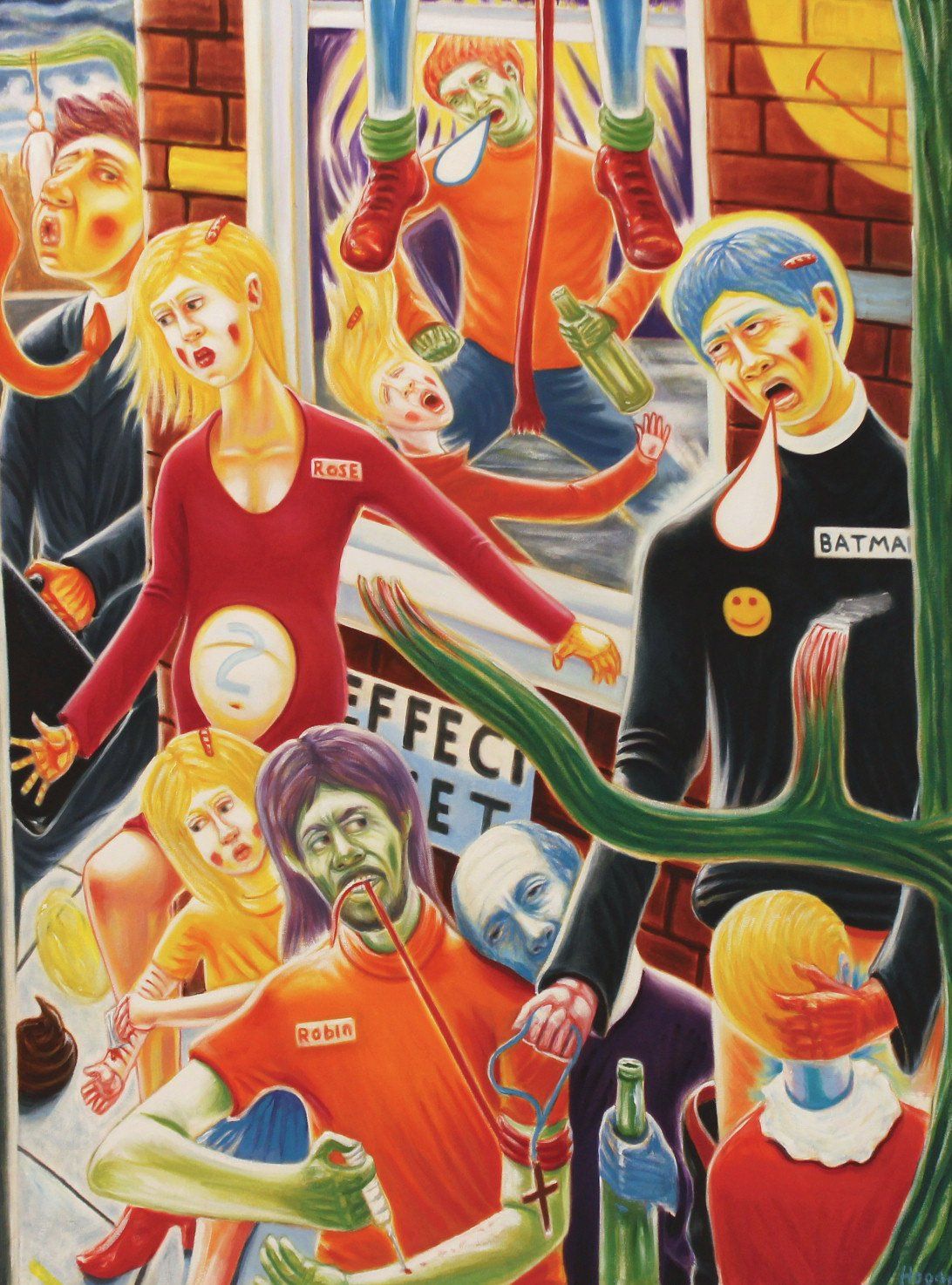
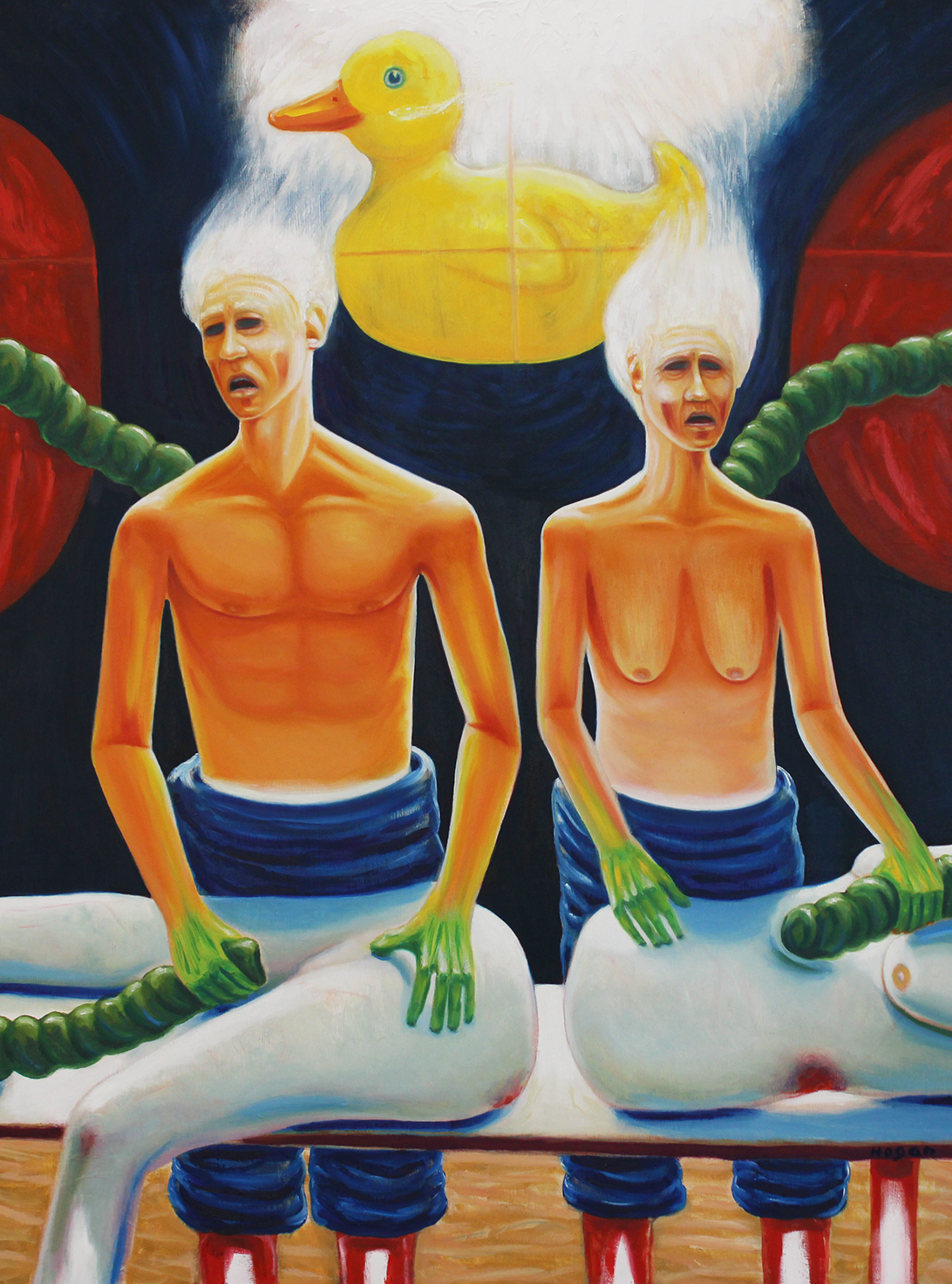
In this post I wish to answer some of the criticism directed at my work. I wish to dispel the criticism levelled within three main areas, that of ; kitsch, regression, and modernity. My phd thesis explains the detail behind my intension and style development, however, a more compact analysis with particular regard to the areas of criticism will now follow. Firstly, framing my practice around relational satire, I elevate painting beyond simple aesthetic choices into a sharp tool for social critique. My blog piece "Joseph Beuys Was Wrong " serves as an example case study of this concept. Joseph Beuys famously championed the idea of "social sculpture" and believed that everyone is an artist capable of healing society through unified, quasi-mystical actions. The Judgment: By explicitly countering Beuys, my work confronts the utopian, and perhaps flawed or self-deluding assumptions of 20th-century avant-garde movements. It suggests a more grounded, unvarnished look at human trauma and institutional failure rather than relying on idealistic myths. This gives my work a vital, cynicism that is highly relevant to modern social dysfunction. Technical execution, visceral imagery and material empathy painting techniques implies a rejection of sterile, purely commercial minimalism. Using heavy textures, layered marks, and aggressive brushwork translates psychological weight onto the canvas. When combined with empathetic material choices, I create a visceral tension. The imagery layout may feel confrontational or unsettling, but the underlying materiality offers a sense of shared vulnerability or healing. My alignment with altermodernity's creolised, archipelagic direction indicates that my work deliberately breaks away from a Western-centric narrative. Instead, it views culture as interconnected networks and islands of experience. This perspective prevents my social satire from feeling provincial or narrow. It transforms my paintings into global dialogues about power, displacement, and collective trauma, making them deeply intellectual while remaining firmly rooted in emotional reality. The critique of kitsch has been applied to my work. In answer to this, my work is not kitsch; it functions as the conceptual opposite by using raw, confrontational satire rather than comfortable, sentimental clichés. Kitsch relies on predictable emotions, mass appeal, and the avoidance of genuine discomfort, whereas my portfolio deliberately engages with trauma and institutional failure. Further, my work offers Intellectual Friction versus easy sentiment; Kitsch aims to please and reassure the viewer with familiar, unchallenging imagery. My focus on "relational satire" and critiques of figures like Joseph Beuys introduces friction, forcing the viewer to question established avant-garde myths rather than consume comfortable art. Visceral Materialism versus sterile polish: traditional kitsch often uses highly polished, mass-produced, or cheap imitations of luxury to create a false sense of beauty. My use of visceral painting techniques and empathetic materials embraces raw, unpolished psychological weight, which directly subverts the decorative nature of kitsch. Irony and satire versus earnest naivety; while kitsch can sometimes be repurposed ironically by contemporary artists (often referred to as Neo-Kitsch or Camp), my work uses satire as a sharp tool for social critique rather than a playful or nostalgic aesthetic choice. The only area where my work might briefly intersect with the broader vocabulary of kitsch is through its use of satire. Satire occasionally borrows from exaggerated, grotesque, or culturally "low" tropes to mock "high" institutions. However, because my execution is grounded in altermodern theory and deep psychological exploration, it remains firmly in the realm of critical contemporary art rather than superficial decoration. My work has been described as regressive. My work is not regressive; it is firmly contemporary and forward-looking, specifically because it engages with altermodernism rather than nostalgic traditionalism. Regressive art looks backward to escape the complexities of the present, often replicating historical styles without questioning them. In contrast, my work actively interrogates history to dissect current social dysfunction. in this context my work is contemporary, not regressive. Regressive art clings to an idealized, singular past. By operating within an altermodern, "creolised" perspective, my work treats time and culture as a global, interconnected network. I am not trying to return to a golden age of painting; I am using the medium to navigate a fragmented modern world. A regressive artist might paint like an Expressionist simply out of a preference for old aesthetics. My use of heavy, visceral painting serves a conceptual purpose; it directly confronts modern trauma and challenges established art-historical myths, such as those surrounding Joseph Beuys. Regressive art often acts as a shield against the anxiety of progress, offering comfortable, dated imagery. My practice uses relational satire as a weapon to engage with current political and psychological realities, forcing the viewer forward into uncomfortable truths rather than backwardly into comfort. There is a general misconception with the painting medium. An observer might mistakenly label raw, visceral painting as "backward-looking" due to the mid-20th-century origins of Neo-Expressionism. However, my intellectual framework entirely strips the work of any regressive quality. I am not treating the canvas as a retro artifact, but as a living site for critical, ongoing social dialogue. Is representational painting regressive? No, representational painting is not inherently regressive. While 20th-century high modernism temporarily dismissed representation as outdated, contemporary art history views it as a highly adaptable, progressive medium. Whether a representational painting is progressive or regressive depends entirely on its conceptual intent, context, and execution. Representational Painting is Contemporary and Progressive because by subverting the Canon; modern figurative and representational painters use realism or figuration to challenge historical narratives. By inserting marginalised subjects, critique, or modern political realities into traditional formats, they weaponise representation against the very structures that created it. The Postmodern and Altermodern Shift; In contemporary theory, history is no longer viewed as a straight line moving from representation to abstraction. Instead, artists freely use representation as a conceptual tool to explore memory, global identity networks, and social fractures. The Power of Legibility; representation provides a universal language. Contemporary artists leverage this shared visual vocabulary to draw viewers into complex, uncomfortable dialogues about trauma, power, or media consumption that pure abstraction might obscure. Conversely, representation can become regressive when it falls into blind historicism, as a form of escapism; replicating 19th-century academic or impressionist techniques purely to escape modern complexities or to pine for an idealised past. Which presupposes the uncritical reenactment; mimicking historical styles without questioning the political, social, or colonial contexts that originally birthed those styles. Representation In the context of my portfolio, representational elements do not function as a nostalgic retreat. Because my work utilises relational satire and confronts trauma, any recognisable imagery serves as a critical anchor. It grounds my abstract, visceral mark-making in real-world human experience, ensuring the social critique remains sharp and direct. Some critics have said that satire has already been covered by Otto Dix and George Grotz who painted in a more expressionist manner, the critique; because my work is not progressive in the sense that my figures are more traditionally realised than theirs. However, that criticism relies on an outdated, linear view of art history that contemporary theory has largely rejected. Comparing my work to Otto Dix and George Grosz simply because both involve satire assumes that a thematic territory can be "closed" once painted in a specific style. Using more traditionally realised figures rather than Weimar-era expressionist distortion does not make my work unprogressive. In fact, it changes the entire psychological impact of the satire.The Flaw in the Critics' Logic; linear Modernism, the idea that art must constantly progress toward greater distortion, abstraction, or formal radicalism is a mid-20th-century modernist invention. The counter argument; Contemporary art operates in a pluralistic, altermodern landscape. History is no longer a straight line. Reclaiming traditional figuration to address modern trauma is a deliberate, conceptual choice, not a lack of progress. Why Traditional Realisation Shifts the Satire; Dix and Grosz used expressionist distortion, caricature, and grotesque shapes to mirror a fractured, chaotic Weimar society. By opting for traditionally realised figures, my version of satire operates on a completely different frequency; Expressionism immediately signals to the viewer that they are looking at a distorted fiction. Traditional realization brings the subject closer to reality. This creates an "uncanny" effect, making the social dysfunction feel uncomfortably close, familiar, and real rather than safely tucked away in an expressive style. Subverting Institutional authority: traditionally realised painting carries historical baggage. It is the language of the academy, monuments, and state-sanctioned power. Using this precise, authoritative visual language to deliver satire and expose trauma is highly subversive. I am weaponising the style of the institution against the institution itself. A Different Kind of Trauma; Dix and Grosz reacted to the immediate, explosive shock of World War one mechanical warfare. Contemporary trauma is often systemic, insidious, and masked by bureaucratic or digital politeness. Painting figures that look "normal" or traditionally realised reflects how modern trauma hides behind a facade of normalcy. The Verdict; Dix and Grosz do not own the monopoly on painted satire. Their expressionism was a tool for their specific historical moment. My use of traditionally orientated representation within an altermodern framework is entirely progressive because it recontextualises historical technique to dissect the specific, quiet, and systemic pathologies of the 21st century.